November 11, 2026
Demolition projects involve much more than tearing down walls or removing unwanted structures. Whether preparing a residential property for renovation or clearing a commercial site for new construction, demolition requires careful planning, specialized equipment, and an understanding of potential hazards. Mistakes can result in property damage, unnecessary expenses, environmental concerns, or serious injuries. Working with experienced demolition contractors helps property owners avoid these complications while keeping projects organized and on schedule.
What Qualifications Should a Demolition Contractor Have?
Choosing a demolition contractor requires more consideration than simply comparing estimates. Property owners should look for professionals with the appropriate licensing, insurance, training, and practical experience to handle the specific type of demolition involved. Requirements vary by location and project scope, making it important to verify that a contractor meets applicable local and state regulations.
Insurance is particularly important. General liability coverage helps protect property owners against certain damages associated with demolition work, while workers' compensation provides coverage for qualifying employee injuries. Contractors should also be able to demonstrate relevant experience with residential, commercial, or industrial projects. Different structures present different challenges, and familiarity with similar projects can make a meaningful difference in execution.
Professional demolition contractors should also understand permitting requirements, utility disconnections, structural assessments, and environmental considerations. Depending on the project, specialized certifications or training may be necessary for handling hazardous materials. Asking prospective contractors about their qualifications, previous projects, and safety procedures provides valuable insight into their capabilities.
How Do Professional Demolition Contractors Ensure Safety?
Safety is one of the most important considerations in any demolition project. Structures can contain unstable materials, concealed utilities, hazardous substances, and structural weaknesses that are not immediately apparent. Without appropriate preparation, dismantling a building can create dangerous conditions for workers, neighboring properties, and the surrounding community.
Experienced demolition contractors begin by evaluating the structure and identifying potential hazards. This assessment helps determine which demolition techniques are appropriate and whether additional precautions are necessary. Electrical, gas, and water connections must be addressed before demolition begins. Contractors also establish controlled work zones, restrict unauthorized access, and develop procedures for managing falling debris and airborne dust.
Special attention is necessary when working with older buildings. According to the Occupational Safety and Health Administration, demolition professionals must prioritize specialized physical safety training to address legacy hazards, including asbestos, lead-based paint, and silica dust that may be present in aging structures. Identifying and managing these substances before disturbing building materials helps reduce potentially serious exposure risks.
Personal protective equipment, appropriate machinery, and established communication procedures further support workplace safety. Professional crews understand how to recognize changing site conditions and adjust their approach when unexpected problems arise. They also know when specialized hazardous-material removal services are necessary.
What Are the Cost Benefits of Hiring Professional Contractors?
Hiring professional demolition services represents an investment, but the overall financial benefits can outweigh the initial expense. Attempting demolition without the appropriate experience or equipment can introduce unexpected costs, particularly when mistakes damage surrounding structures or create additional cleanup requirements.
One significant advantage is accurate project planning. Professional demolition contractors can assess the property, identify potential complications, and provide estimates based on labor, equipment, materials, and disposal requirements. Understanding these expenses beforehand makes budgeting easier and reduces the likelihood of costly surprises.
Specialized machinery also contributes to financial efficiency. Professional crews have access to equipment designed for different demolition applications, allowing them to complete demanding tasks more quickly than a property owner attempting the work independently. Efficient equipment use can reduce labor hours and help keep projects moving according to schedule.
Avoiding property damage is another important consideration. Improper demolition techniques can damage foundations, neighboring buildings, underground utilities, or structural elements intended to remain intact. Repairing these problems can become considerably more expensive than hiring qualified professionals from the beginning.
Additionally, experienced contractors understand permitting requirements and applicable regulations. Failure to obtain necessary approvals or follow disposal rules can result in fines, project delays, and additional expenses.
How Do Demolition Contractors Handle Waste Management?
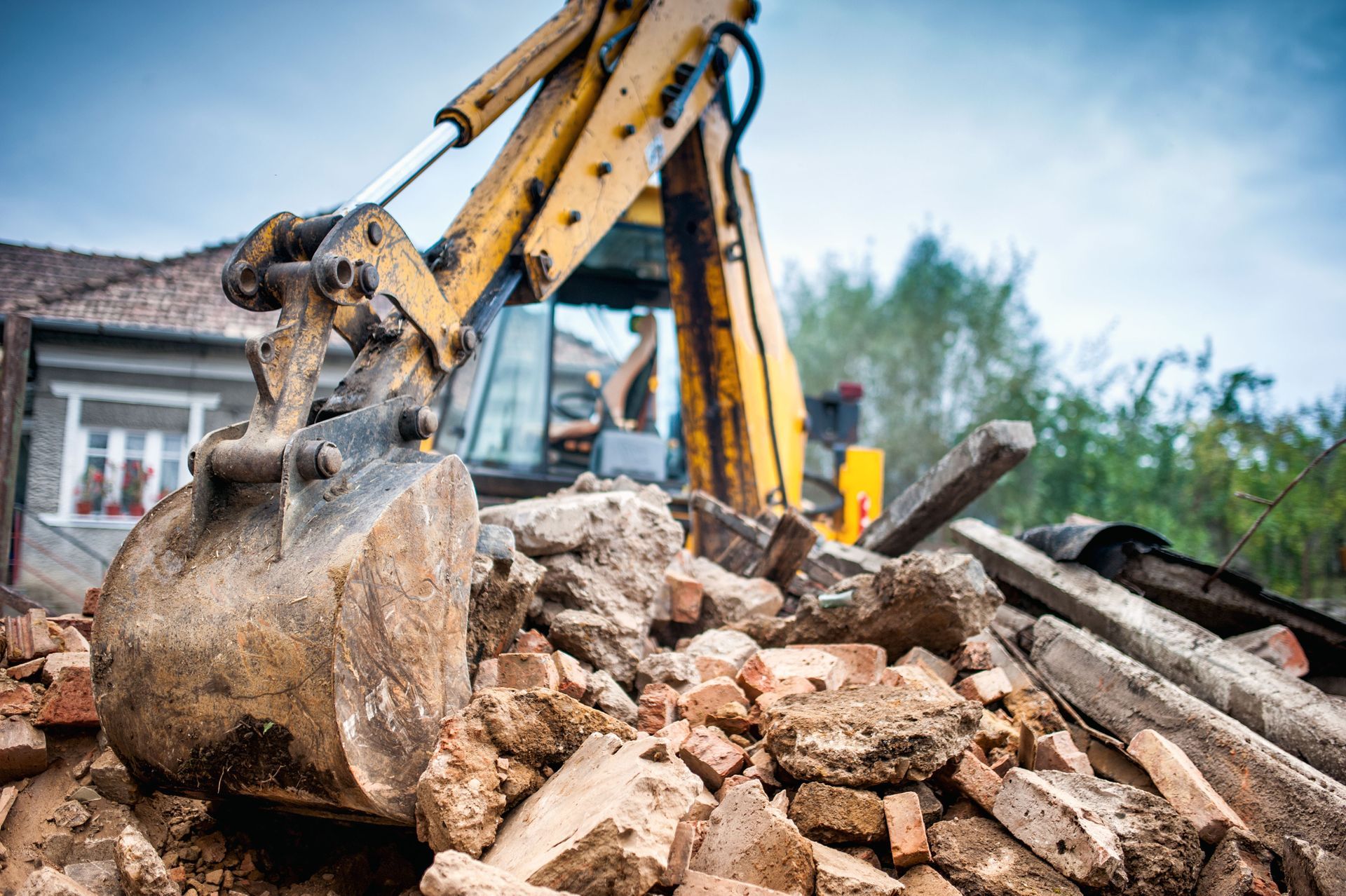
Demolition generates substantial amounts of debris, including concrete, wood, metal, drywall, roofing materials, and other construction products. Managing this waste responsibly is essential for maintaining a clean worksite, protecting the environment, and complying with applicable disposal regulations.
Professional demolition contractors typically develop waste management plans before beginning work. These plans identify the materials expected to be removed, determine which items can be recycled, and establish appropriate transportation and disposal procedures. Separating materials during demolition makes it easier to recover reusable resources and reduces the amount of waste sent to landfills.
Concrete and masonry, for example, can often be processed into recycled aggregate for certain construction applications. Metals such as steel, aluminum, and copper can be separated and sent to recycling facilities. Salvageable lumber, fixtures, doors, and other building components may also be recovered when their condition and intended use permit.
Hazardous materials require additional attention. Asbestos-containing materials, lead-based paint, and certain chemical products cannot simply be mixed with ordinary demolition debris. Their removal, handling, transportation, and disposal must follow applicable environmental and safety requirements. Qualified specialists may be needed to manage these materials.
Organized waste management also improves efficiency. Designated collection areas, appropriately sized containers, and scheduled debris removal help prevent materials from accumulating throughout the site. This keeps access routes clear and allows workers to operate more effectively.
What Technologies and Techniques Do Modern Demolition Contractors Use?
Demolition methods have evolved considerably, giving contractors more options for handling projects of different sizes and complexities. Modern technology allows professionals to work with greater precision, improve safety, and minimize unnecessary disruption to surrounding properties.
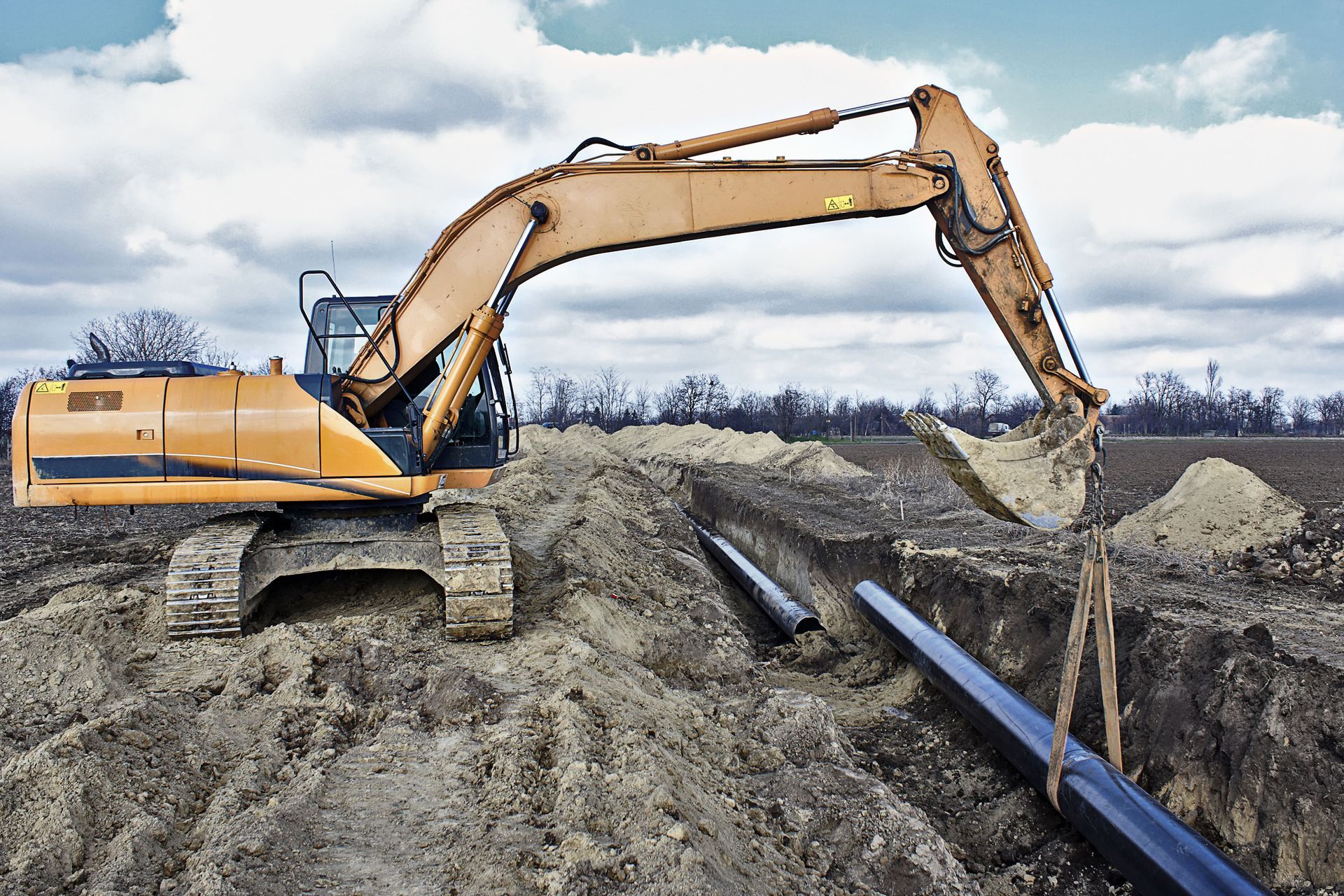
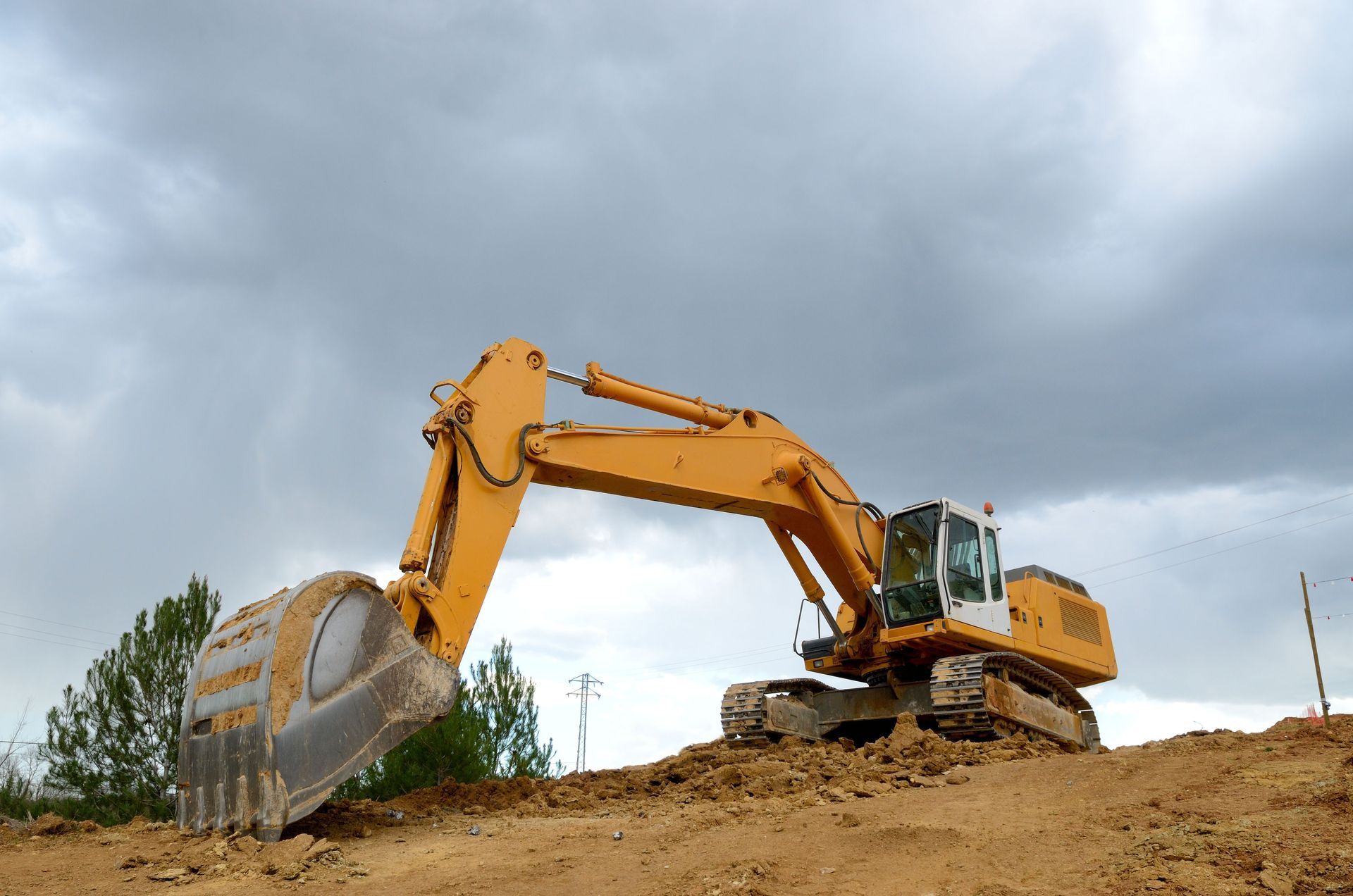
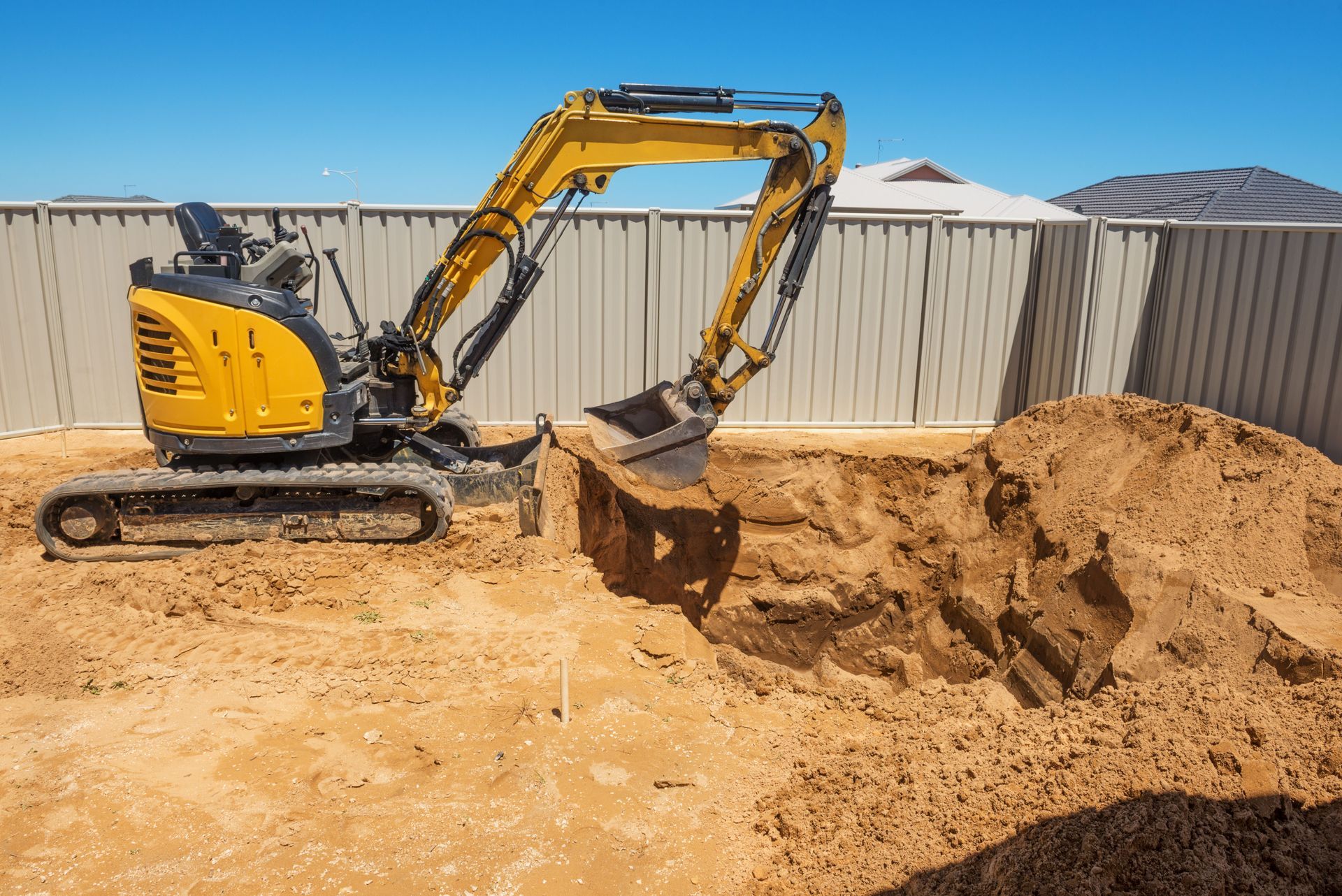
Mechanical demolition remains one of the most common approaches. Excavators equipped with specialized attachments, hydraulic breakers, shears, and grapples can dismantle structures efficiently. The appropriate equipment depends on the building's size, construction materials, accessibility, and surrounding conditions.
Selective demolition is another important technique. Rather than removing an entire structure, contractors carefully dismantle specific components while preserving the materials or structural elements that need to remain. This approach is particularly useful during renovations, interior remodeling, and partial building removals.
Some projects require deconstruction instead of conventional demolition. Deconstruction involves systematically removing building components so that more materials can be salvaged or reused. Although this process can require additional labor and planning, it offers opportunities to reduce waste and recover valuable materials.
Technology also plays an increasingly important role in project preparation. Digital surveying tools, building information modeling, and drone inspections can help contractors evaluate structures, document site conditions, and identify potential obstacles before work begins. These tools provide better information for planning equipment placement and demolition sequences.
For particularly sensitive environments, specialized methods such as robotic demolition can offer additional control. Remotely operated equipment allows workers to perform certain tasks from a safer distance, especially in confined or hazardous areas.
Working with professional demolition contractors provides important advantages for property owners undertaking residential, commercial, or industrial projects. Qualified professionals bring the experience, equipment, and technical knowledge needed to manage complicated demolition work while prioritizing safety and regulatory compliance. Their ability to plan projects accurately, control expenses, manage debris, and select appropriate demolition techniques can make the entire process considerably more efficient. Professional services also help minimize environmental impacts through responsible material recovery and disposal. Although hiring experienced contractors requires an upfront investment, the benefits of reduced risk, fewer unexpected expenses, and reliable project execution make professional demolition services a worthwhile consideration. If you need excavation services, reach out to Schmitt Excavating today!