July 15, 2026
Hiring excavating contractors is a crucial step in ensuring the success of your construction or landscaping project. The right contractor can make a significant difference in terms of safety, efficiency, and cost-effectiveness. This article explores the top questions you should ask before hiring an excavation contractor to ensure they are well-qualified and suitable for your project requirements.
1. How Much Experience Do You Have?
Experience is a fundamental aspect when selecting excavating contractors. You should first inquire about how many years the contractor has been in the industry. A seasoned contractor is more likely to have encountered and successfully navigated the various challenges that can arise during excavation projects. By doing so, they gain insights into best practices and troubleshooting unexpected issues. Their accumulated knowledge can be invaluable in ensuring the smooth execution of your project.
In addition to years of experience, it's important to understand the types of projects they have undertaken in the past. Request examples of previous work similar to your project. This will not only give you insight into their capabilities but also provide you with an idea of their efficiency and quality of work. Excavating contractors with experience in similar projects are better equipped to anticipate challenges specific to your project type. This can lead to more effective planning and execution.
Finally, you'll want to verify any licenses or certifications the contractor holds. These indicate that the excavating contractors adhere to industry standards and regulations, ensuring that all necessary legalities are in place. You should also ask about how they stay current with industry standards and technological advancements. This shows commitment to continuous improvement, which is crucial in an evolving industry.
2. What Equipment Do You Use?
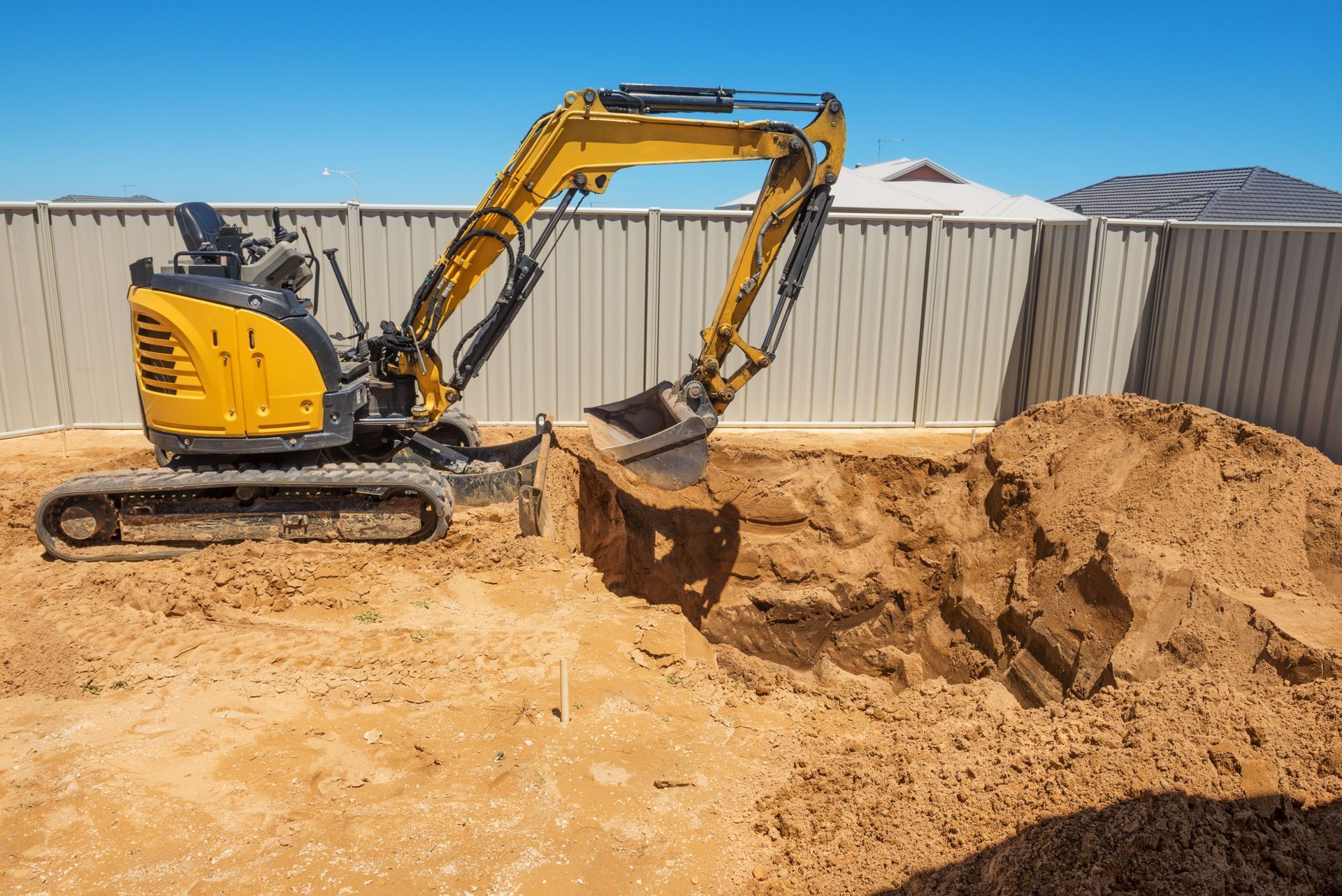
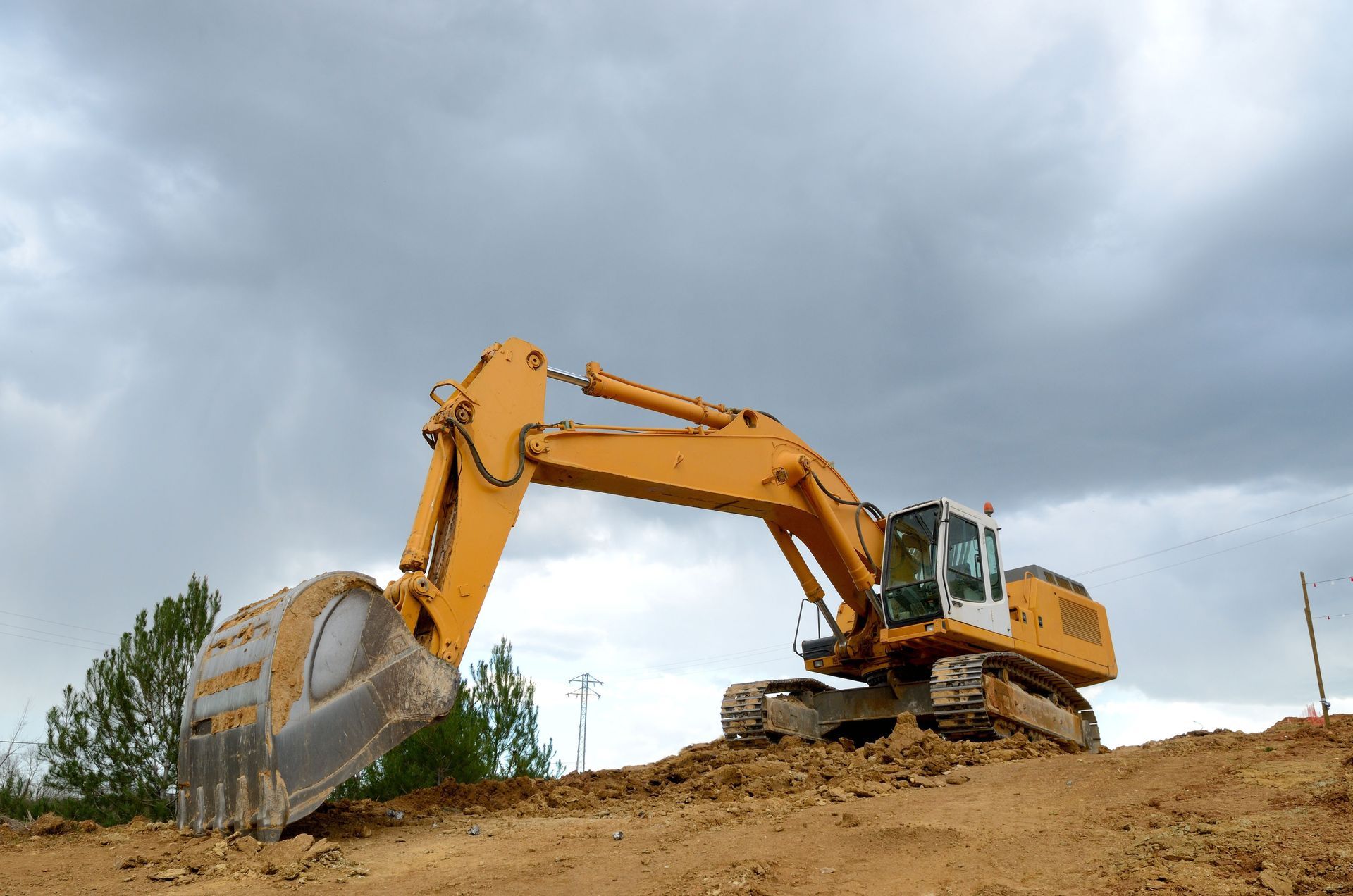
Another critical factor in selecting excavating contractors is understanding the equipment they use. Different types of machinery are suited to different tasks, and the right equipment can greatly enhance project efficiency. Ask about the types of equipment employed in their operations and the specific purposes for each. Understanding their machinery lineup will also give you clues about the scale and speed they can handle projects. Moreover, well-maintained equipment signals professionalism and a dedication to quality work.
Not only should you inquire about the equipment itself, but also about their maintenance practices. Routine maintenance is necessary to ensure the safety and functionality of machinery, reducing the risk of breakdowns and accidents. Ask how often the equipment undergoes inspections and what measures are in place to ensure optimal operation. Excavating contractors should also be asked about their safety protocols related to machinery handling. Knowing that a contractor is vigilant in these areas can provide peace of mind regarding project safety.
In today's construction landscape, technology plays a pivotal role in excavation operations. Gauge whether the excavating contractors utilize modern technology for precision excavation, such as GPS or laser-guided systems. These tools enhance accuracy, reduce waste, and can significantly improve project speed and quality. Discuss how they determine which equipment and technology are best suited for specific projects. Additionally, if they need to rent additional equipment, consider how this might affect project timelines and costs.
3. How Do You Maintain Safety Measures?
The importance of safety in excavation cannot be overstated, making the contractor's safety record a vital component of the selection process. Inquire about historical safety records, including the frequency and nature of any incidents. A contractor with a strong safety record demonstrates a commitment to creating a safe work environment. A low incidence of accidents is often a reflection of thorough planning, adherence to safety protocols, and proper training of personnel. These factors collectively contribute to reducing the risk of injuries.
A part of ensuring safety on-site is having qualified safety personnel present. Ask whether a safety officer will be present during your project. This role involves monitoring adherence to safety procedures, conducting risk assessments, and addressing safety concerns as they arise. Access to a trained safety officer ensures that potential hazards are promptly identified and mitigated. It adds an extra layer of oversight, which can protect both workers and the project itself.
Understanding how safety training is conducted for the contractor's staff is equally significant. Employees should be well-versed in the most current safety procedures and equipment handling. A discussion on how training is provided and updated can reveal much about the contractor's dedication to safety. Additionally, ask about any insurance policies the contractor holds for workers and equipment. Proper insurance safeguards against financial burdens should accidents or damages occur, protecting both the contractor and the client.
4. How Much Does My Project Cost?
Developing a clear understanding of the project timeline is crucial for both planning and executing any excavation work. Begin by inquiring about the proposed timeline for completing your project. Keep in mind that while excavating contractors can provide estimates, numerous variables can affect the actual duration, such as weather, site conditions, and permitting delays. A competent contractor will outline potential risks to the timeline and discuss contingency plans to address them. By having this conversation, you'll set realistic expectations from the outset.
In terms of costs, a detailed estimate is essential for budget planning and management. Ask for a comprehensive breakdown of costs, including potential hidden fees. Furthermore, you should confirm how the contractor handles any necessary changes to the project scope that might impact costs. Understanding their approach to negotiating changes can prevent unexpected financial surprises later.
It's important to clarify if there are any additional fees related to overtime or scope changes. These can add up quickly, impacting your bottom line. Knowing about potential extra charges helps with accurate budgeting and avoids financial strain. Also, understand how the contractor communicates updates about time or cost adjustments during the project. Clarity and openness in these matters are key to maintaining a strong working relationship. According to IBISWorld, the market size of the American excavation contractors industry exceeds $203.1 billion as of 2026, highlighting the scale and complexity of this field, which makes knowing these details even more crucial.
5. How Do You Communicate Throughout the Process?
Effective communication is the cornerstone of any successful contracting project. Determine who your primary point of contact will be during the project. This contact person should be knowledgeable about all aspects of the project and have the authority to make decisions. Having a single, consistent point of communication minimizes confusion and ensures that information is efficiently relayed. It is crucial for maintaining the flow of information between you and the excavating contractors.
Another important aspect of communication involves the frequency and methods of updates. Ask how often you can expect progress reports and through which channels they typically provide updates, whether it's via email, meetings, or phone calls. Regular updates keep you informed and involved in the project, allowing you to address any concerns promptly. Effective communication also involves collaborating with other project stakeholders effectively. Discuss how the contractor manages communication with other contractors or parties involved in the project.
Before the start of excavation work, establish a communication protocol that suits both parties. This protocol should include preferred communication methods, frequency, and response times. Having a predefined plan for communication can prevent misunderstandings and ensure that each party is aligned with expectations. Additionally, discuss how conflicts or miscommunications will be resolved should they arise. A contractor who is proactive about resolving issues through constructive communication demonstrates a commitment to maintaining a positive working relationship.
Choosing an excavation contractor should not be taken lightly, as it can impact the overall success of your project. By asking these essential questions and evaluating their responses, you can make an informed decision and ensure that your project is handled by a qualified, experienced, and reliable contractor. Remember, the key to a successful partnership lies in clear communication, mutual understanding, and trust. If you're looking for excavating contractors, contact Schmitt Excavating today.