August 8, 2026
Demolition projects carry inherent risks that make safety compliance one of the most critical priorities throughout every stage of the process, from initial planning through final site cleanup. A qualified demolition contractor brings genuine expertise in navigating the complex web of safety regulations governing this specialized field, ensuring projects proceed without unnecessary risk to workers, nearby structures, or the general public. Understanding the specific ways experienced demolition professionals maintain this safety compliance helps property owners appreciate why choosing a qualified contractor matters so significantly for this kind of high-risk construction work. Even seemingly routine excavation work connected to demolition projects carries specific regulatory requirements worth understanding. According to OSHA, most trenches more than 5 feet deep require a protective system, illustrating just how detailed and specific safety regulations become across various aspects of demolition and excavation work. Below, we'll explore several ways a demolition contractor ensures genuine safety compliance throughout their projects.
1. Conducting Thorough Pre-Demolition Site Surveys
Before any actual demolition work begins, an experienced demolition contractor conducts a comprehensive site survey, identifying potential hazards including structural weaknesses, hazardous materials, and utility locations that must be properly addressed before work can safely proceed. This thorough assessment helps prevent dangerous surprises during the actual demolition process, since unexpected hazards discovered mid-project often create significantly more dangerous situations than those identified and planned for in advance. This survey typically includes checking for materials like asbestos or lead paint, which require specialized handling procedures to protect both workers and the surrounding environment from harmful exposure. Taking time for this careful upfront assessment represents an essential foundation for maintaining safety compliance throughout the entire demolition project. This proactive approach to hazard identification helps ensure the demolition contractor can properly plan for and mitigate risks before they have the opportunity to create dangerous situations during active work.
2. Properly Identifying and Handling Hazardous Materials
Many older buildings contain hazardous materials such as asbestos, lead-based paint, or other substances requiring specialized handling and disposal procedures to remain compliant with environmental and safety regulations. A qualified demolition contractor understands how to properly test for these materials, implementing appropriate containment and removal procedures that protect both workers and the surrounding community from harmful exposure during the demolition process. This specialized knowledge extends to proper disposal protocols, ensuring hazardous materials are transported and disposed of according to strict regulatory requirements rather than simply being treated as standard construction debris. Failing to properly identify and handle these materials can create serious health risks alongside significant legal liability, making this expertise absolutely essential for genuine safety compliance. This careful attention to hazardous material management represents one of the most important ways experienced demolition contractors protect everyone involved in and around a project.
3. Implementing Appropriate Structural Support and Bracing
During partial demolition projects, where only specific portions of a structure require removal, maintaining proper structural support for remaining sections becomes critical for preventing dangerous, unplanned collapses that could injure workers or damage adjacent property. A skilled demolition contractor understands how to properly assess which structural elements need additional bracing or support throughout the demolition process, ensuring the building remains stable until each phase of work is genuinely complete. This structural expertise requires genuine engineering knowledge, since improperly executed partial demolition can create unpredictable stress patterns that compromise the integrity of remaining structural elements in ways that aren't always immediately obvious. Implementing appropriate bracing and support systems throughout the project represents a critical safety measure that protects both the demolition crew and the surrounding property. This careful structural planning demonstrates the kind of genuine expertise that distinguishes qualified demolition contractors from less experienced operators.
4. Following Proper Trenching and Excavation Protocols
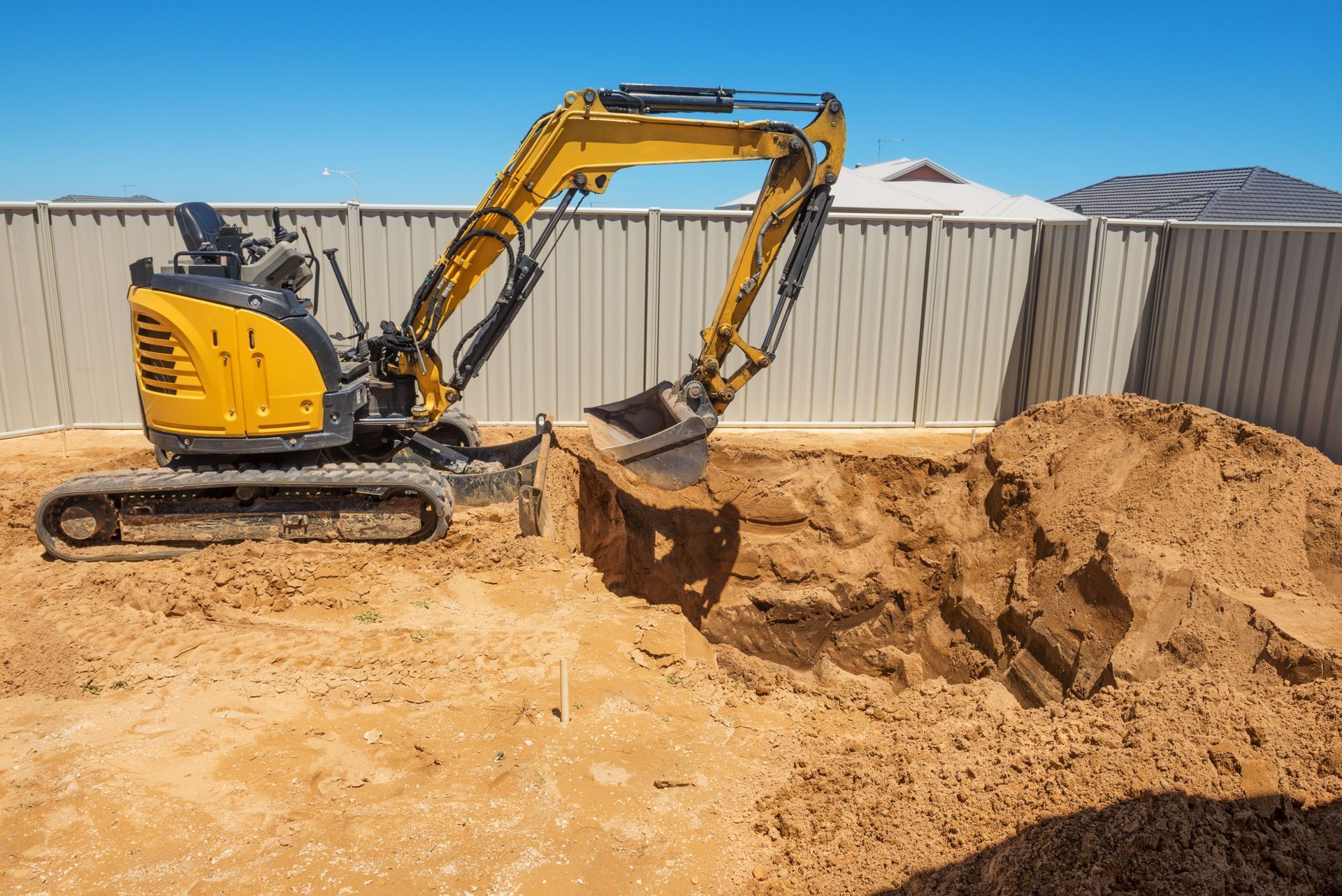
Many demolition projects involve associated excavation work, whether removing foundations or preparing sites for subsequent construction, making proper trenching safety protocols an essential compliance consideration throughout these related activities. Experienced demolition contractors understand specific regulatory requirements regarding protective systems for deeper excavations, ensuring appropriate shoring, sloping, or shielding methods are implemented based on trench depth and soil conditions. This attention to excavation safety helps prevent the kind of trench collapses that represent one of the more serious risks associated with this type of construction work, protecting workers who might otherwise be exposed to dangerous, unstable trench walls. Properly trained crews understand how to assess soil conditions and select appropriate protective measures for each specific excavation scenario they encounter. This careful attention to excavation-specific safety protocols represents an important, specialized aspect of comprehensive demolition safety compliance.
5. Coordinating Proper Utility Disconnection and Marking
Before demolition work begins, ensuring all utilities including electrical, gas, water, and sewer connections are properly disconnected and marked represents an essential safety step that prevents dangerous accidents involving live utility lines during active demolition work. A qualified demolition contractor coordinates closely with utility companies to verify proper disconnection procedures have been completed, along with confirming that any remaining underground utilities are clearly marked to prevent accidental damage during excavation portions of the project. This careful utility coordination helps prevent serious accidents, including electrical shock, gas leaks, or water damage that could occur if these systems aren't properly addressed before demolition activities begin. This attention to utility safety represents a critical, foundational compliance measure that must be properly completed before other demolition work can safely proceed. Experienced contractors understand this coordination process thoroughly, ensuring nothing gets overlooked during this essential preparatory phase.
6. Providing Proper Worker Training and Protective Equipment
Demolition work requires specialized training and appropriate personal protective equipment to keep workers genuinely safe throughout the various hazards this type of construction involves, making proper training and equipment provision an essential ongoing compliance responsibility. A reputable demolition contractor ensures all crew members receive appropriate training on equipment operation, hazard recognition, and emergency procedures specific to demolition work, rather than assuming general construction experience alone provides adequate preparation. This training extends to properly fitting and maintaining protective equipment, including respiratory protection when hazardous materials are present, ensuring workers have genuinely appropriate gear for the specific tasks and conditions they'll encounter. Consistently prioritizing this training and equipment investment demonstrates a demolition contractor's genuine commitment to worker safety beyond simply meeting minimum regulatory requirements. This ongoing attention to worker preparation represents an essential, continuous safety compliance responsibility throughout every project.
7. Maintaining Proper Documentation and Permit Compliance
Demolition projects typically require various permits and documentation demonstrating compliance with local, state, and federal safety regulations, making proper record-keeping an essential administrative aspect of overall safety compliance. A qualified demolition contractor understands exactly what documentation their specific jurisdiction requires, ensuring all necessary permits are properly obtained before work begins and maintaining appropriate records throughout the project's duration. This documentation extends to safety inspections, hazardous material handling records, and other compliance-related paperwork that demonstrates the project genuinely adhered to required safety standards throughout its execution. Maintaining this thorough documentation protects both the contractor and the property owner, providing clear evidence of compliance should questions arise during or after the project. This careful attention to proper permitting and documentation represents an important, though sometimes overlooked, aspect of comprehensive demolition safety compliance.
At Schmitt Excavating, we understand how critical genuine safety compliance is throughout every demolition project, and we're committed to bringing the thorough expertise necessary to protect our crews, our clients, and the surrounding community throughout every job we undertake. Our experienced team prioritizes thorough site assessment, proper hazardous material handling, and strict adherence to excavation and structural safety protocols on every project. We believe that genuine safety compliance requires ongoing attention and expertise, not simply meeting minimum regulatory checkboxes. Whether you're planning a partial demolition or a complete structure removal, our knowledgeable team is here to help guide you through every step of the process safely and compliantly. If you're ready to work with a trusted
demolition contractor for your next project, contact Schmitt Excavating today to schedule your consultation.